Perineal rehabilitation also concerns men, even though it remains largely unknown or sometimes taboo. However, it is essential in many situations: after a prostatectomy, in cases of chronic pelvic pain, incontinence, or functional disorders related to the pelvic floor.
As a physiotherapist specialized in perineology, I offer personalized support to help you regain comfort, confidence, and quality of life.
When to consult?
The male pelvic floor can be weakened or imbalanced due to surgery, a muscular disorder, or postural issues.Rehabilitation is indicated in the following cases:
Prostatectomy (pre and post-operative sessions):
to restore urinary control, improve pelvic floor tone, and prevent persistent leaks.
Urinary incontinence:
whether it is stress-related, urgency, or mixed, especially after surgery.
Listen to your body
Many men live with pelvic discomfort or dysfunction for years before seeking help, often due to embarrassment or lack of information. Whether due to the aftermath of surgery, an injury, or stress, these issues are more common than one might think and can be treated with appropriate care.
Why?
These disorders can significantly impact quality of life, self-esteem, and intimacy. Male perineal rehabilitation allows you to:
Why?
These disorders can significantly impact quality of life, self-esteem, and intimacy. Male perineal rehabilitation allows you to:
Reduce or eliminate urinary leaks.
Relieve tension and pain in the pelvis.
Improve control of the pelvic floor muscles and regain a sense of bodily mastery.
Act as a complement to urological or sexual health follow-up, with a functional perspective on the pelvic area.
Techniques used
Hygienic and Behavioral Advice
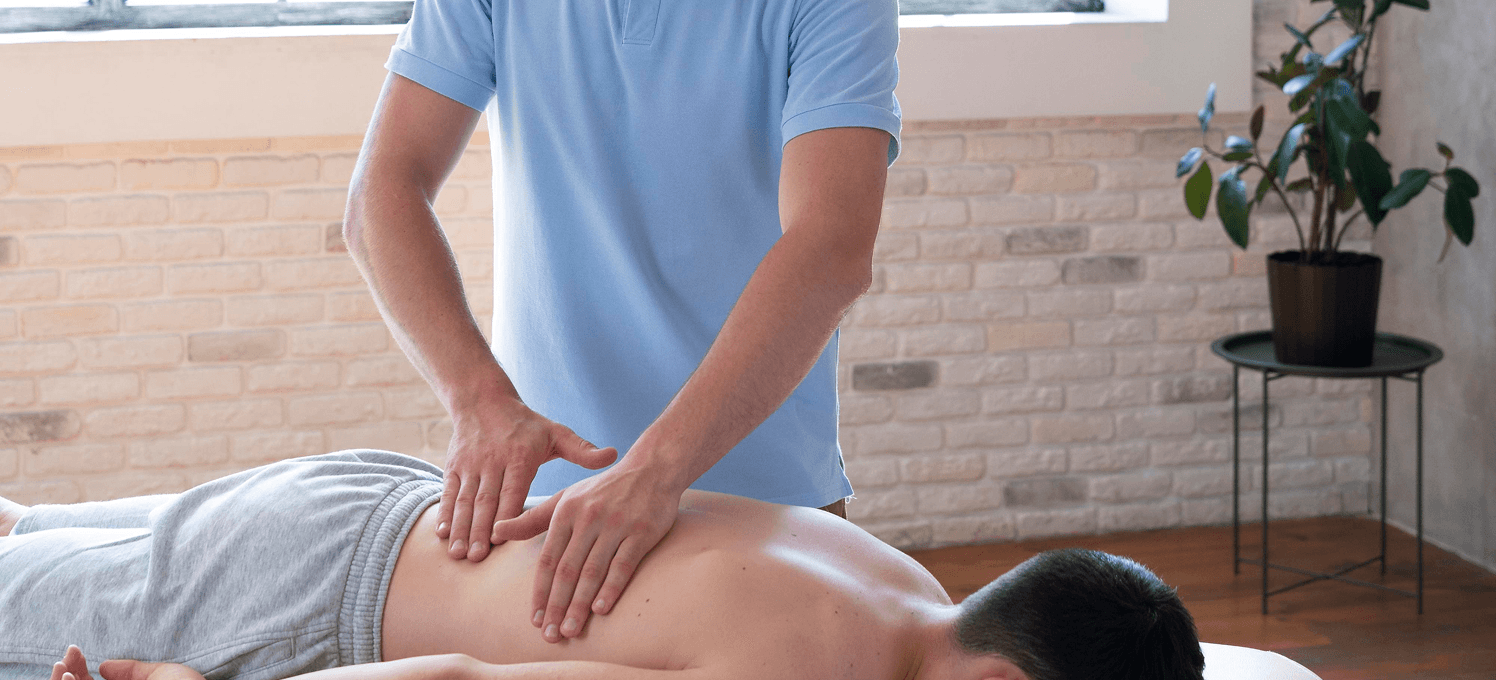
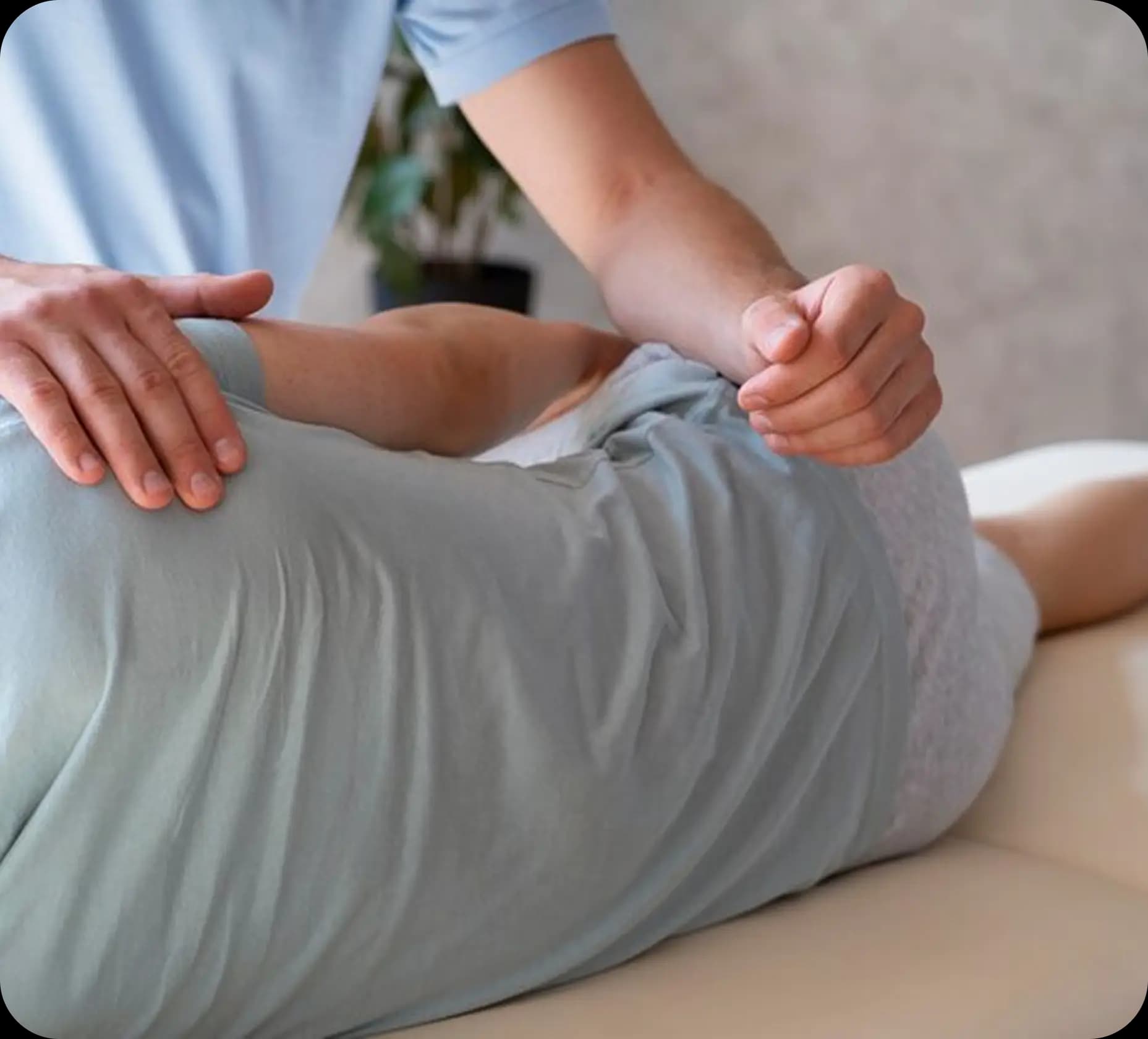
Adjustment of lifestyle habits (hydration, frequency and position of urination, management of abdominal pressure…). Manual techniques: massages, stretching, and tissue mobilizations to release tension, improve the mobility of pelvic structures, and promote relaxation.
Perineal Education
Awareness of the perineum, learning contractions and relaxation, coordination with breathing to restore good muscle control.
Abdomino-perineal Strengthening Exercises
Work on the abdominal belt and pelvic floor (De Gasquet method, etc.).
Biofeedback (Biostim Mazet)
A tool for visualizing contractions to improve muscle control.
Postural and Breathing Advice
Integration of perineal work into daily activities (lifting, posture, breathing, etc.) to protect the perineum in the long term.
Take the first step towards a better quality of life