Pelvic floor rehabilitation in Grez-Doiceau and Perwez.
Pelvic floor rehabilitation is an essential step to support women at every stage of their lives: pregnancy, postpartum, menopause, or in cases of pelvic disorders.
As a physiotherapist specialized in pelvic floor therapy, I offer you personalized and compassionate care to help you regain comfort and well-being in your daily life.
When to consult?
The pelvic floor can be weakened by various events or conditions:
Prepartum:
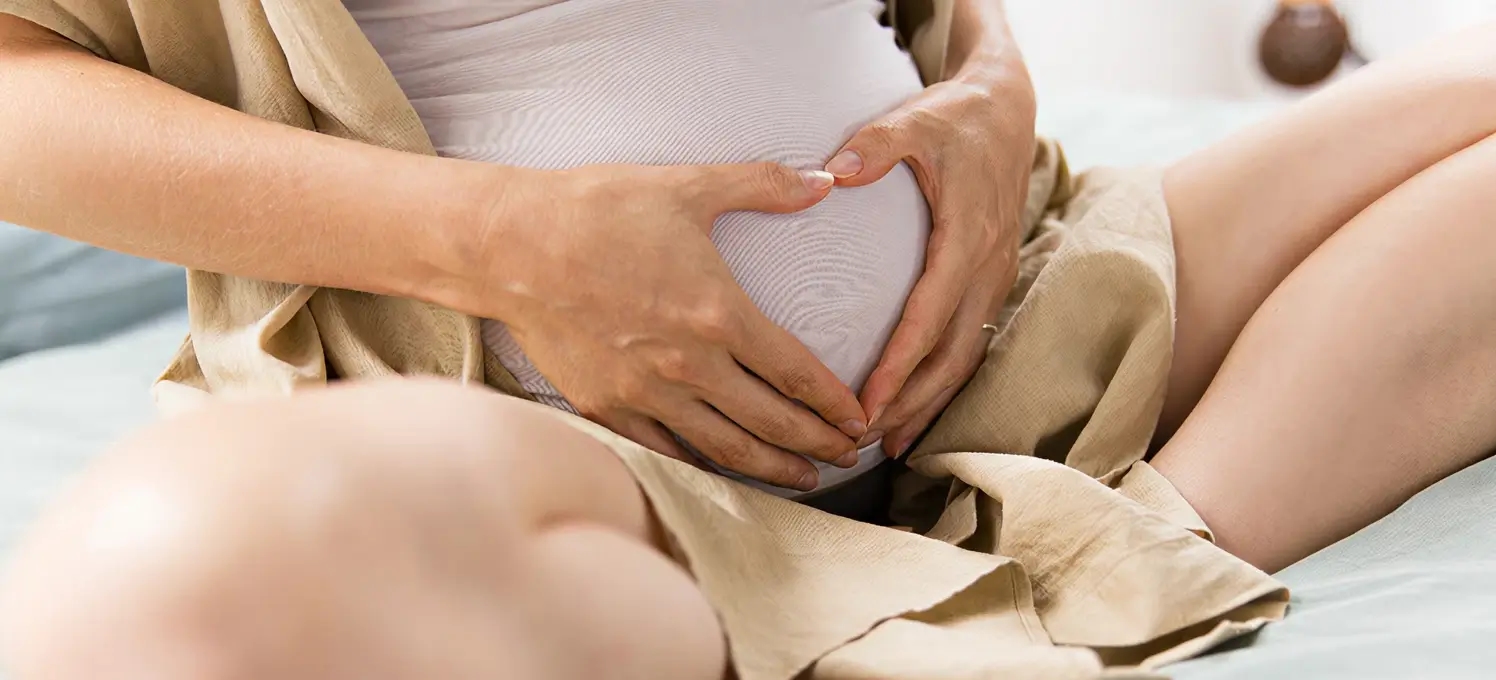
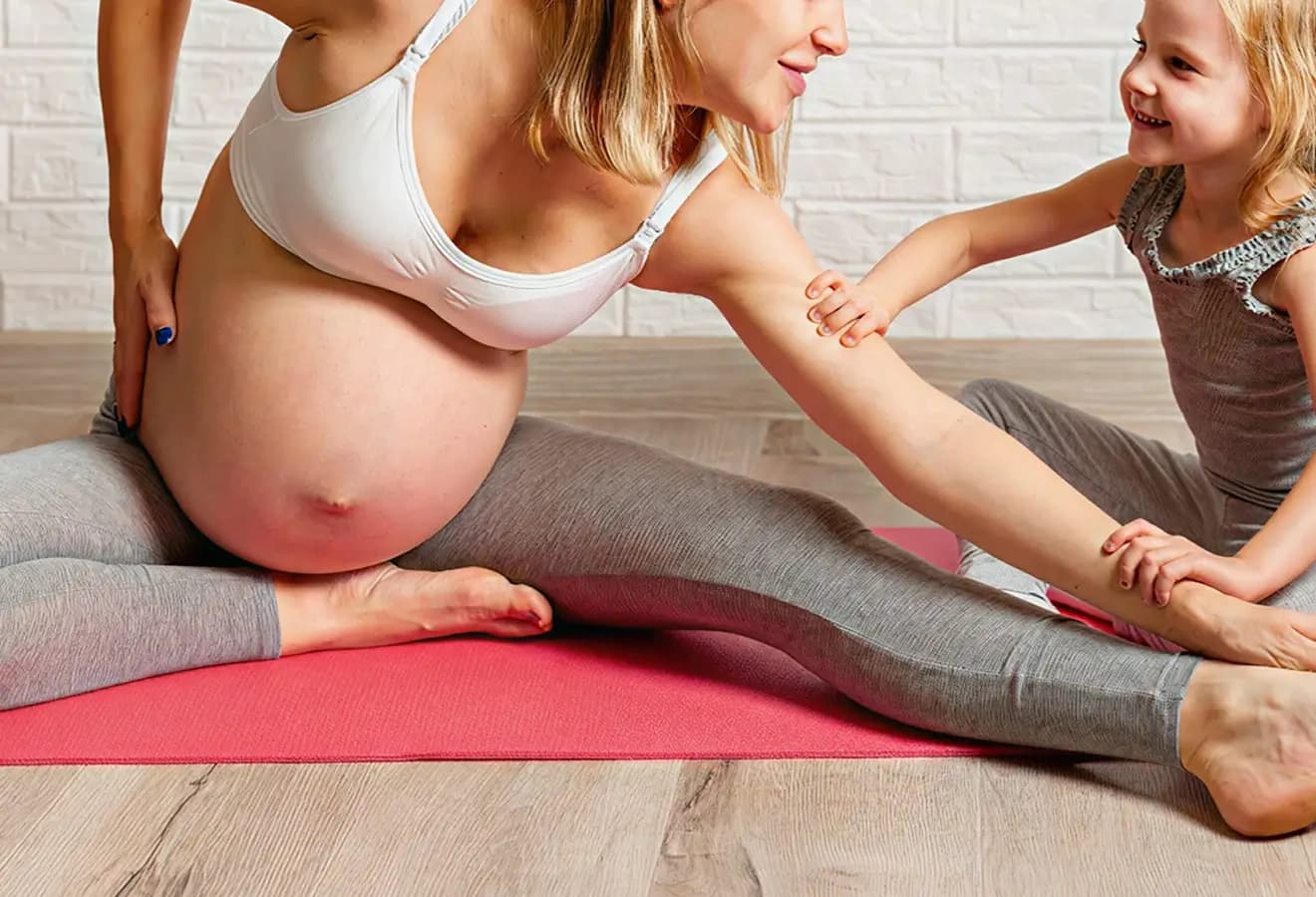
Starting from the 6th month of pregnancy, it helps you learn proper breathing techniques, practice suitable exercises, discover positions that facilitate labor on the big day, and learn how to push effectively.
Postpartum:
Starting from 6 weeks after delivery, whether vaginal or cesarean, rehabilitation helps restore pelvic floor tone, prevent or treat urinary leaks, the sensation of heaviness, and pelvic pain.
"Many people hesitate to talk about their pelvic floor disorders, yet solutions do exist! You should not hesitate to consult."
Why?
Why?
Urinary incontinence: during exertion, urgency, or mixed.
Sexual dysfunction: issues related to the tone or sensitivity of the perineum.
Abdominal rehabilitation: diastasis, lack of abdominal tone.
A comprehensive and personalized care for each patient, by choosing among different techniques the most suitable ones.
Techniques used
Hygienic and Behavioral Advice
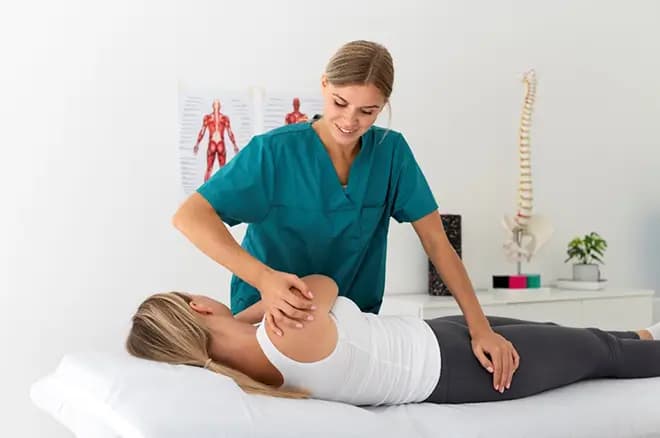
Adjustment of lifestyle habits (hydration, frequency and position of urination, management of abdominal pressure…). Manual techniques: massages, stretching, and tissue mobilizations to release tension, improve the mobility of pelvic structures, and promote relaxation.
Perineal Education
Awareness of the perineum, learning contractions and relaxation, coordination with breathing to restore good muscle control.
Abdomino-perineal Strengthening Exercises
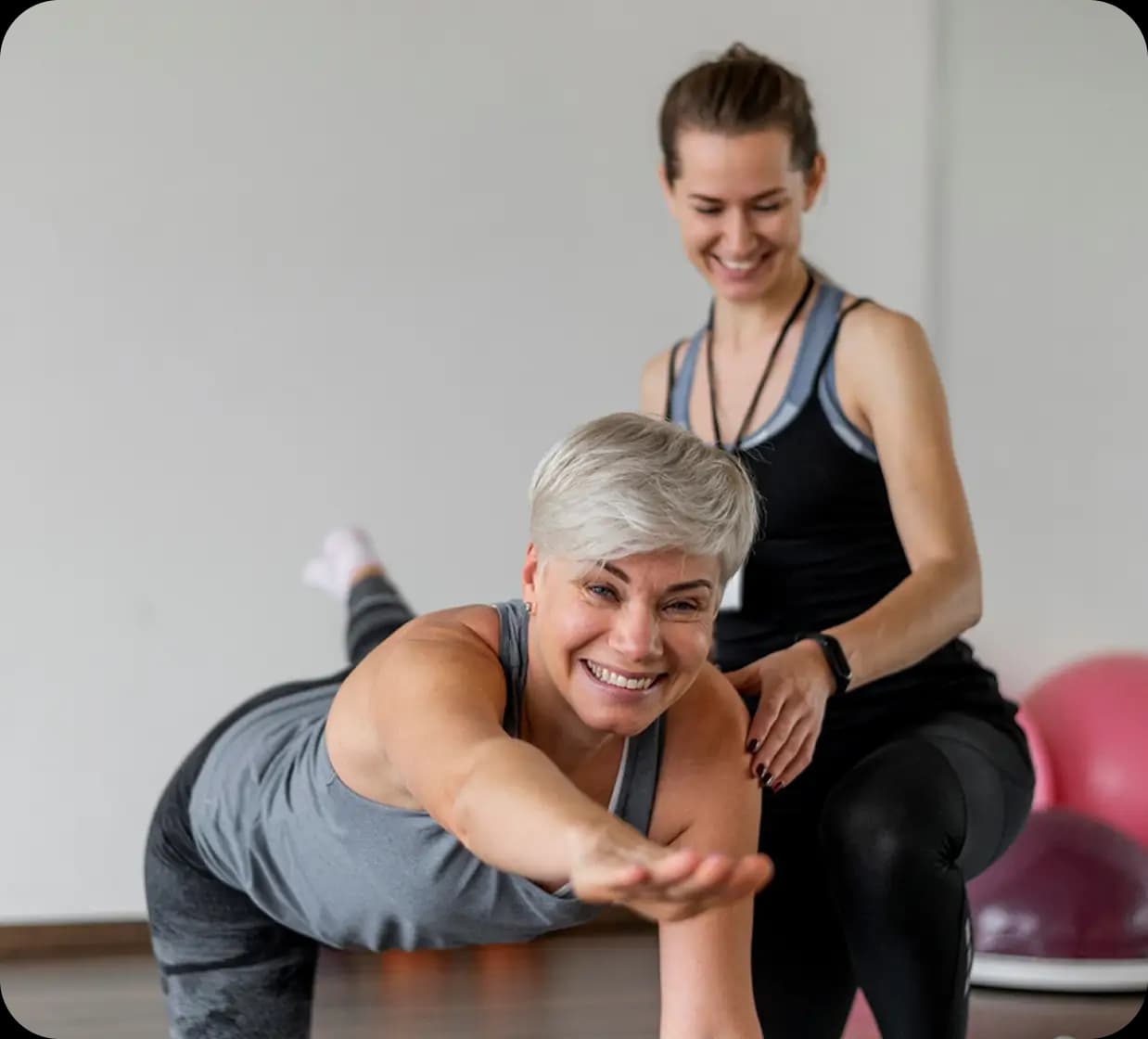
Work on the abdominal belt and pelvic floor (De Gasquet method, etc.).
Biofeedback (Biostim Mazet)
A tool for visualizing contractions to improve muscle control.
Postural and Breathing Advice
Integration of perineal work into daily activities (lifting, posture, breathing, etc.) to protect the perineum in the long term.